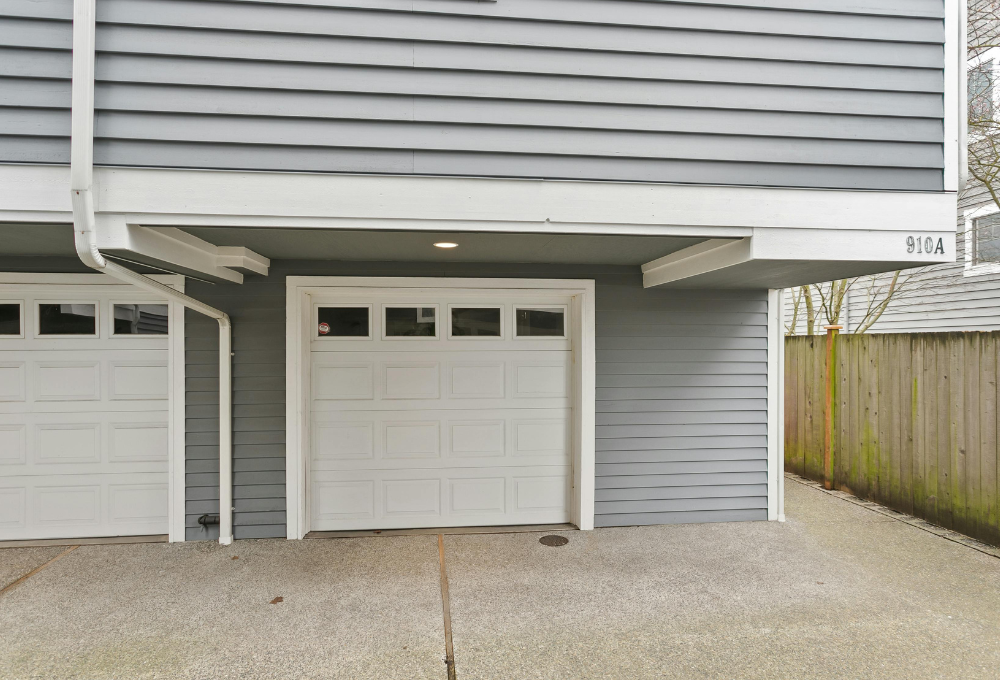

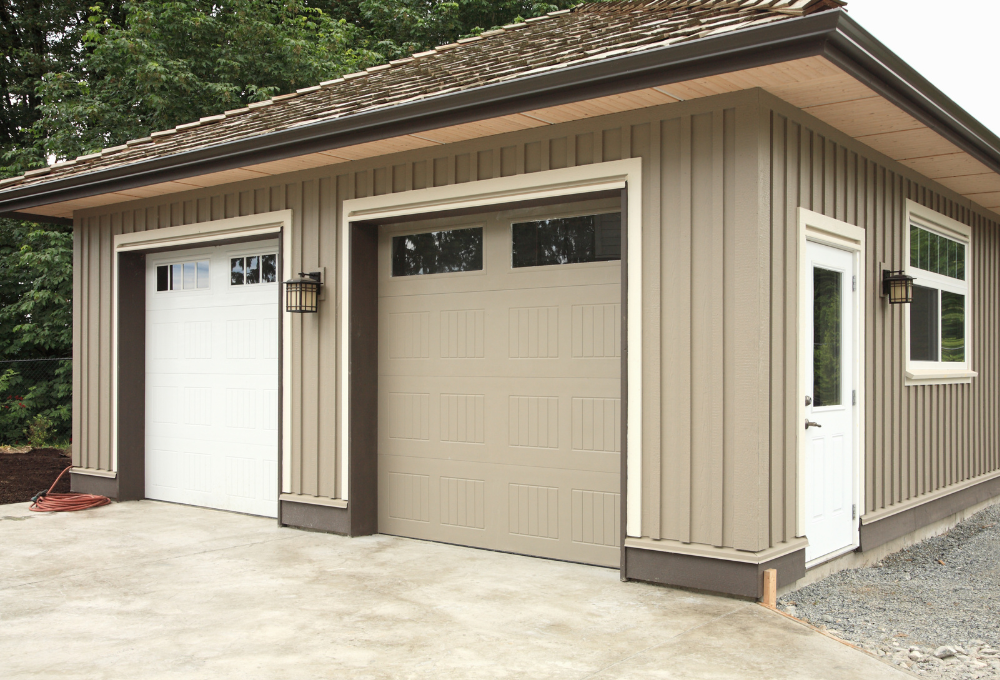
Garage door openers often make noise during daily use. Some noise is expected, but excessive sound can frustrate homeowners. Understanding noise levels helps you choose the best system for your home. Comparing different opener types shows how technology affects sound. Evaluating Garage Door Opener Noise helps balance performance with comfort.
Older systems tend to be louder and less refined. Newer models focus on quieter operation and smoother movement. Noise affects both household comfort and system longevity. Systems that strain during use may sound louder and wear faster. Learning how noise varies by opener type helps you make smarter choices.
This guide explains noise levels across common garage door openers. You will learn what makes some systems louder than others. You will also discover ways to reduce unwanted noise at home and when to choose a quieter model.
The Impact of Opener Noise
Loud garage door sounds can disturb daily life, especially in attached homes. Noise travels easily into living spaces. Quiet performance enhances home comfort. Excessive noise often signals increased stress on the system.
Persistent noise may also indicate developing issues. Worn parts, misalignment, and friction increase sounds over time. Reducing Garage Door Opener Noise improves both comfort and safety. Quiet operation reduces headaches and improves satisfaction.
Noise becomes especially noticeable in detached garages near bedrooms, offices, or living areas. Homeowners increasingly value silent or near-silent operation for everyday convenience. Environmental factors such as cold or heat affect system performance and noise.
Factors That Increase Opener Noise
Noise levels depend on multiple factors working together. Motor type plays a major role in sound output. Drive system technology affects vibration and resonance. Door weight and balance influence noise, too. Track alignment changes how smoothly movement occurs. Poor lubrication increases friction noise and dragging sounds. Worn hardware often squeaks or rattles. Environmental factors such as cold or heat affect system performance and noise. High use accelerates wear.
Chain Drive Garage Door Opener Noise Levels
Chain drive openers use metal chains to lift the door and are known for their durability. Chains naturally produce vibration during movement, especially under heavy loads. This vibration translates directly into noticeable sound. However, chain systems still produce the most Garage Door Opener Noise compared to other drives, often contributing to persistent noisy door concerns in residential settings.
Belt Drive Garage Door Opener Noise Levels
Belt drive openers use a rubber belt instead of metal chains for smoother operation. Rubber absorbs vibration better, reducing sound transmission throughout the garage. Belt systems provide a clear reduction in Garage Door Opener Noise compared to chain drives. They are often the preferred choice for families seeking quiet operation. Belt openers typically cost more but offer improved comfort and performance when paired with modern garage door openers.
Screw Drive Garage Door Opener Noise Levels
Screw drive openers use a threaded metal rod to move the door efficiently. Screw systems feature a simpler design with fewer moving parts, which helps reduce some vibration. However, metal-on-metal contact still produces noticeable sound during operation. Screw drive noise remains moderate, making it a balanced option for homeowners concerned with cost, comfort, and long-term reliability, especially when paired with timely garage door repairs.
Direct Drive Garage Door Opener Noise Levels
Direct drive openers mount the motor directly behind the door and move the door smoothly. With one moving part, direct drive systems minimise vibration at the source. Direct drive systems greatly reduce Garage Door Opener Noise and deliver reliable, smooth motion. These openers are ideal for homes where minimal sound matters most. Daily operation becomes almost silent compared to traditional models.
Wall-Mounted Garage Door Opener Noise Levels
Wall-mounted or jackshaft openers attach beside the door rather than overhead. Their design reduces strain on traditional tracks. These systems operate quietly with minimal vibration. Wall-mounted openers move the door using a direct rotational mechanism. Noise remains low and consistent. For homeowners seeking the lowest Garage Door Opener Noise possible, wall-mounted systems are a top choice.
After comparing these opener types, clear noise trends emerge across systems. Chain drives tend to be the loudest due to metal vibration and movement. Screw drives fall in between, offering moderate Garage Door Opener Noise Levels. Wall-mounted models excel at low vibration and consistent performance, making them ideal for attached garages. Choosing the right system depends on home layout, noise tolerance, and proper garage door installation for optimal results.
How to Reduce Opener Noise
Routine maintenance helps reduce noise across all systems. Lubricate moving parts regularly to minimise the sound. Tracks should be clean and well-aligned. Worn parts often increase noise during movement.
Adding cushioning materials to mounting points reduces vibration transfer. Insulated doors also help absorb sound. Tightening loose hardware prevents rattling during operation. Addressing these contributors reduces overall Garage Door Opener Noise.
If noise persists despite DIY steps, further inspection may be required to identify hidden issues. Internal wear, misalignment, or motor strain may not be visible during basic checks. Continued operation can worsen damage and increase vibration over time. Professional evaluation helps pinpoint the cause of excessive Garage Door Opener Noise and restore quiet, reliable performance.
Selecting a Quiet Garage Door Opener
Selecting a quiet opener depends on your priorities. Belt and direct drive models generally provide lower noise levels. Wall-mounted systems also excel in silent performance. Consider how often the door is used daily, and if bedrooms or living areas are near the garage.
Evaluate motor strength and balance control features. Smooth, balanced movement often correlates with lower sound levels. Matching the opener to door size and weight ensures consistent quiet operation.
If you’re upgrading because of noise concerns, professional installation ensures proper fit and balanced operation. Correct mounting reduces vibration transfer into the home structure. Quality components also play a major role in sound control. Using durable parts and accessories helps minimise noise transfer and supports long-term, quiet performance.
Find the Quietest Opener With Expert Help
Noise concerns should not be ignored. Consistent loud sound can become a daily nuisance. Professional guidance helps you choose the right opener for your home. Experts evaluate door size, layout, and noise tolerance needs. Quality installation and proper feature selection improve comfort.
Technicians assess existing hardware and recommend upgrades if needed. Properly balanced doors operate more quietly and with less strain.
Tired of noisy garage door operation disrupting your home?. Schedule service with Precision Mission Viejo and discover quieter opener solutions designed for smooth, reliable, and stress-free performance.