How Long Do Garage Door Springs Last: Garage Door Repair and Installat
Garage door springs typically last around 8.5 years on average, though usage, materials, and climate shift that timeline. Torsion springs that cycle multiple times daily wear out faster than those on doors that are used only occasionally. Homeowners noticing sagging, loud noises, or slow operation should Signs Your Garage Door Springs Need Replacement. Worn springs are at risk of sudden failure, which can cause injury or property damage.
Key Takeaways
-
Garage door springs last an average of 8.5 years before requiring replacement or maintenance.
-
Materials, environment, and daily usage patterns directly affect the lifespan of garage door springs.
-
Heavy door operation and frequent use cause springs to lose tension, requiring tightening.
-
Torsion springs provide essential lifting tension that deteriorates over time with regular garage door cycles.
Garage door springs last an average of 8.5 years before requiring replacement or maintenance.
Materials, environment, and daily usage patterns directly affect the lifespan of garage door springs.
Heavy door operation and frequent use cause springs to lose tension and require tightening.
Torsion springs provide essential lifting tension that deteriorates over time with regular garage door cycles.
How long do garage door springs last?
Garage door springs last an average of 8.5 years, though actual lifespan depends heavily on usage frequency. Most garage springs are built to handle 10,000 open-and-close cycles. A household using the garage door four times daily can expect springs to last about seven years before needing replacement.
What factors determine garage door spring lifespan?
Garage door spring lifespan varies based on three primary factors: usage frequency, environmental conditions, and spring quality. Homes with higher traffic — multiple cars entering and exiting several times daily — burn through garage door spring cycles faster than single-car households. Extreme temperatures, humidity, and salt air near coastal areas accelerate metal fatigue and corrosion.
How do the lifespans of torsion springs and extension springs compare?
Torsion spring lifespan and extension spring lifespan differ in mechanical design but share similar cycle ratings. Torsion springs mount horizontally above the door and typically offer smoother operation. Extension springs run along the horizontal tracks on each side. Both types average 10,000 cycles, which translates to 7-9 years of typical residential use.
What happens when springs exceed their rated lifespan?
Springs operating beyond their rated cycles gradually lose tension. The door becomes heavier to lift manually, and the opener strains to compensate. Ignoring these changes accelerates wear on the opener motor and cables. Signs a garage door spring is bad include visible gaps in the spring coil, sagging sections, or the door closing too quickly.
What affects garage door spring lifespan?
Three primary factors determine how long a set of springs lasts: usage frequency, environmental conditions, and door weight. Frequent use causes springs to wear down faster. A household that opens and closes the garage door four or more times daily will see springs fail years sooner than a home using the door once or twice per day.
Does weather affect garage door springs?
Harsh weather conditions directly shorten garage door spring lifespan. Cold or humid environments lead to rust and corrosion, weakening the springs over time. Moisture accelerates metal fatigue, making springs brittle and prone to sudden failure during winter months.
How does door weight impact spring wear?
Heavy garage doors put more strain on springs, reducing their lifespan. A solid wood door, or one with insulation layers, requires more spring tension with each cycle. That extra load accelerates metal fatigue compared to a lightweight steel door.
A professional tune-up helps catch small issues early and extends the door’s lifespan. cite-3 Technicians inspect for rust, measure spring tension, and lubricate moving parts before minor problems escalate into a snapped cable or broken spring. Without regular maintenance, homeowners risk a sudden failure that leaves the door stuck halfway or crashes it down unexpectedly.
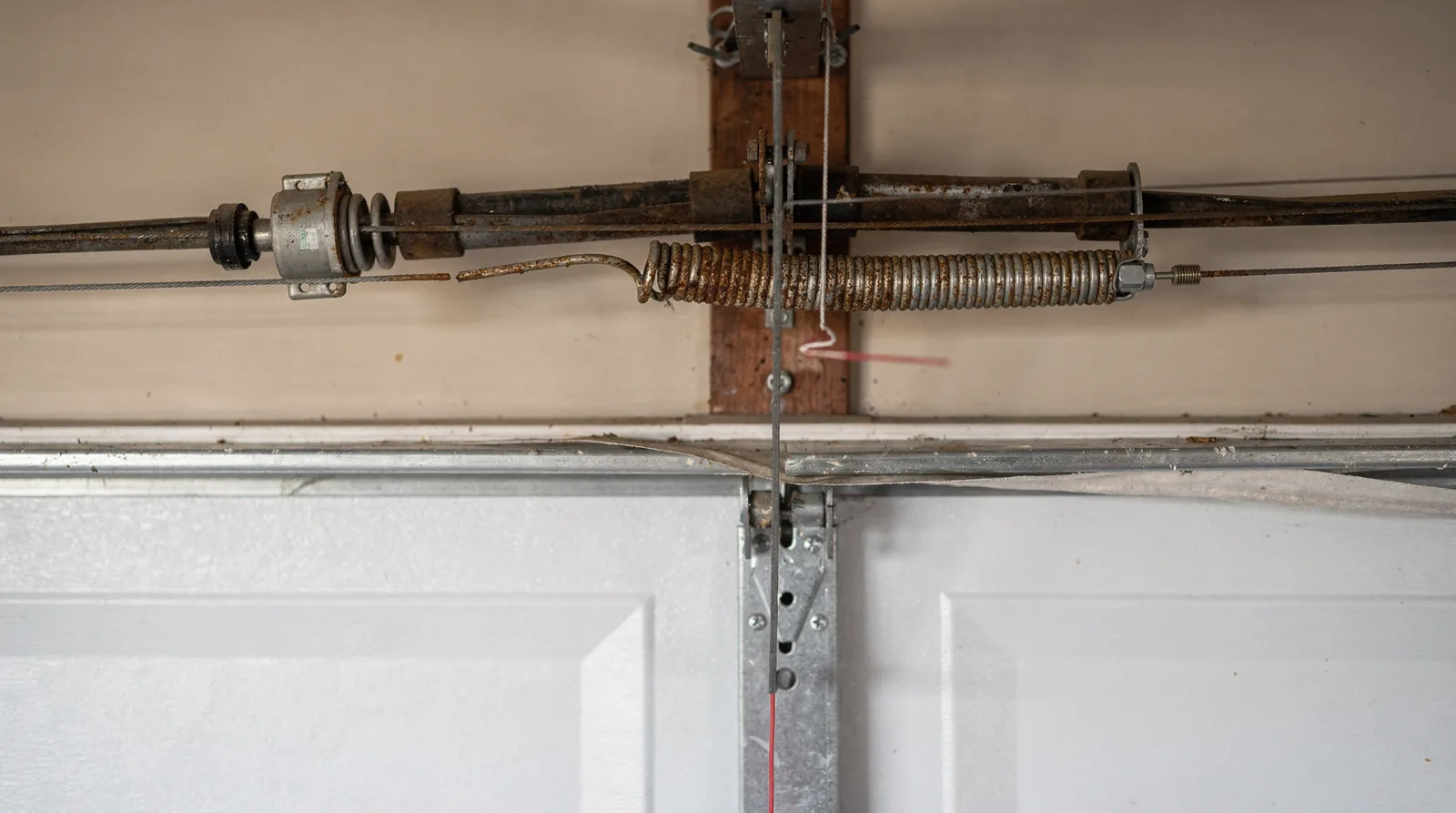
What are signs garage door spring is bad?
A door that feels heavy to elevator or causes the opener to struggle signals the springs need attention. When springs lose tension, the door becomes unbalanced and places extra strain on the opener motor. Ignoring these warning signs leads to bigger problems.
What happens if a homeowner ignores worn springs?
Not replacing worn springs creates a serious safety hazard. The door can fail suddenly and come crashing down, risking injury to anyone nearby and damaging vehicles or property. A broken garage door quickly becomes a source of frustration instead of a convenience. cite-5
How can a homeowner spot spring trouble before a break?
Watch for these signs a garage door spring is bad:
-
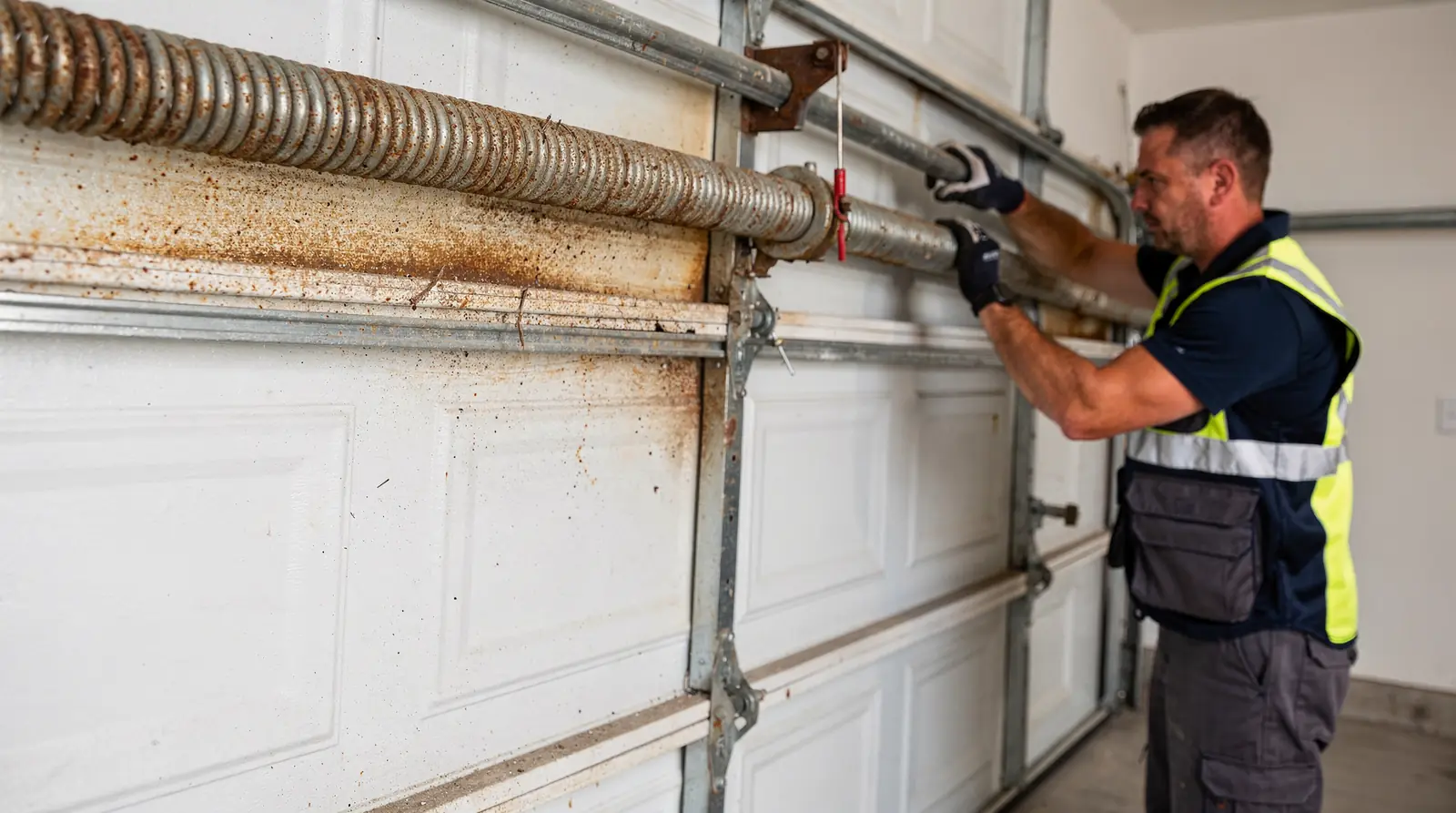
Visible gaps or rust on the spring coils
-
Loud banging or popping noises during operation
-
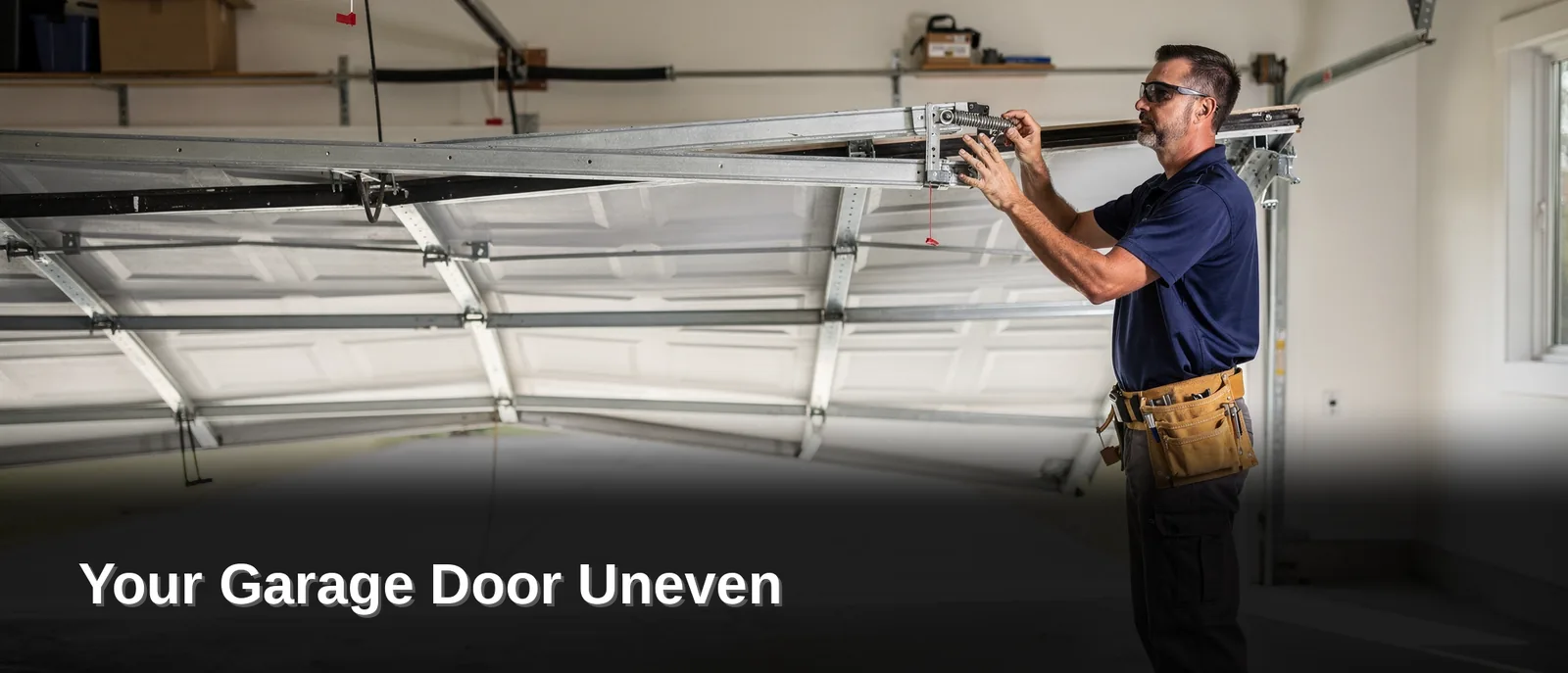
Door sagging or sitting unevenly when closed
-
Opener motor running but door barely moving
Visible gaps or rust on the spring coils
Loud banging or popping noises during operation
Door sagging or sitting unevenly when closed
Opener motor running but door barely moving
Garage door spring replacement should happen before the springs break completely. Common Garage Door Repair Issues in Mission Viejo prevent property damage. A professional inspection catches these issues early, saving homeowners from emergency repairs and costly damage.
Understanding your garage door spring lifespan empowers you to maintain this critical component responsibly. Regular inspections catch wear before failure occurs, preventing unexpected breakdowns and safety hazards. By recognizing the factors that affect spring durability and proactively addressing maintenance needs, you protect both your property and your family. When springs reach the end of their service life, professional replacement ensures proper installation and optimal performance for years to come.
FAQ
How long do garage door springs last on average?
Garage door springs last an average of 8.5 years, or about 10,000 open-and-close cycles. A household that uses the door four times daily typically sees the springs last around seven years before replacement.
What signs indicate a garage door spring needs replacement?
Sagging sections, visible gaps in the coil, loud noises, slow operation, and a door that closes too quickly all signal worn springs. Precision Garage Door Service recommends scheduling an inspection promptly when these signs appear.
Do torsion springs and extension springs last the same amount of time?
Yes, both spring types average 10,000 cycles, translating to roughly 7-9 years of typical residential use. They differ in mounting location: torsion springs are above the door header, and extension springs are along the side tracks.