How Weather Affects Garage Doors in Mission Viejo
How Weather Affects Garage Doors in Mission Viejo: Protecting Your Garage Door with Weatherproofing and Repairs
Weather plays a significant role in the maintenance and longevity of garage doors, especially in a location like Mission Viejo, where varying climatic conditions can lead to specific challenges. Understanding how factors such as humidity, temperature fluctuations, and coastal effects impact garage doors can empower homeowners to make informed decisions regarding their care and preventative measures. This article delves into the details of protecting garage doors through effective weatherproofing and regular repairs. Homeowners often struggle with issues such as rust, corrosion, and component failure, but with appropriate strategies, these problems can be mitigated. We will explore the impact of weather on garage doors and discuss effective treatments, the advantages of insulation, and specific recommendations tailored for Mission Viejo residents.
What Weather Conditions Impact Garage Doors in Mission Viejo?
Mission Viejo’s unique weather patterns, including humidity and temperature shifts, significantly influence the performance and durability of garage doors. High humidity can promote moisture accumulation, leading to serious issues such as rust and corrosion. The region’s warm summers and mild winters can also cause materials to expand and contract, impacting the garage door’s functionality.
How Do Humidity and Moisture Cause Garage Door Rust and Corrosion?
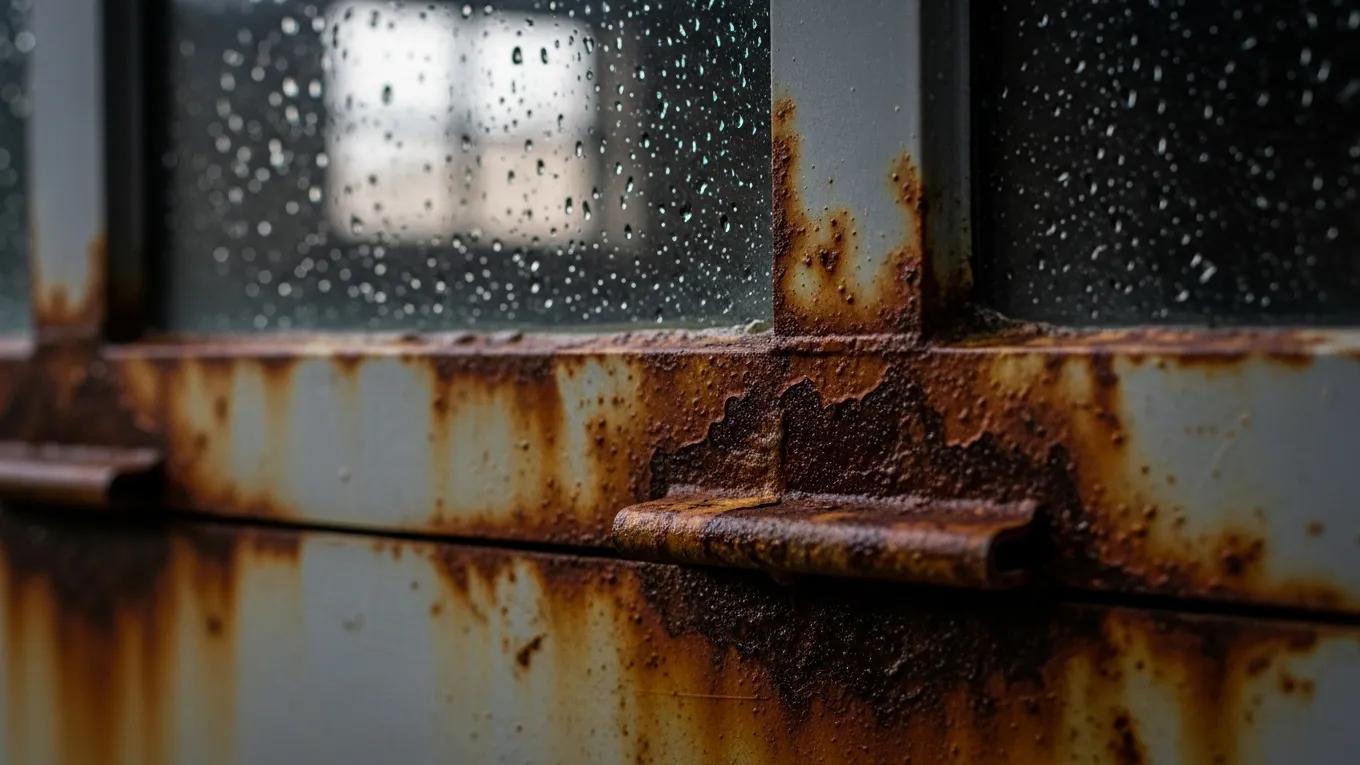
Humidity levels in Mission Viejo can cause garage doors, especially those made of metal, to develop rust and corrosion. Rust forms when moisture interacts with metal components, initiating a chemical reaction that deteriorates the material. Over time, this not only affects the appearance of the garage door but also compromises its structural integrity. To combat rust, it’s essential to apply protective coatings and routinely inspect metal parts for signs of moisture damage. Implementing preventive measures like weather-resistant treatments and regular maintenance can significantly extend the lifespan of garage doors. For these critical garage door repairs, timely attention is key.
What Temperature Fluctuations Affect Garage Door Springs and Components?
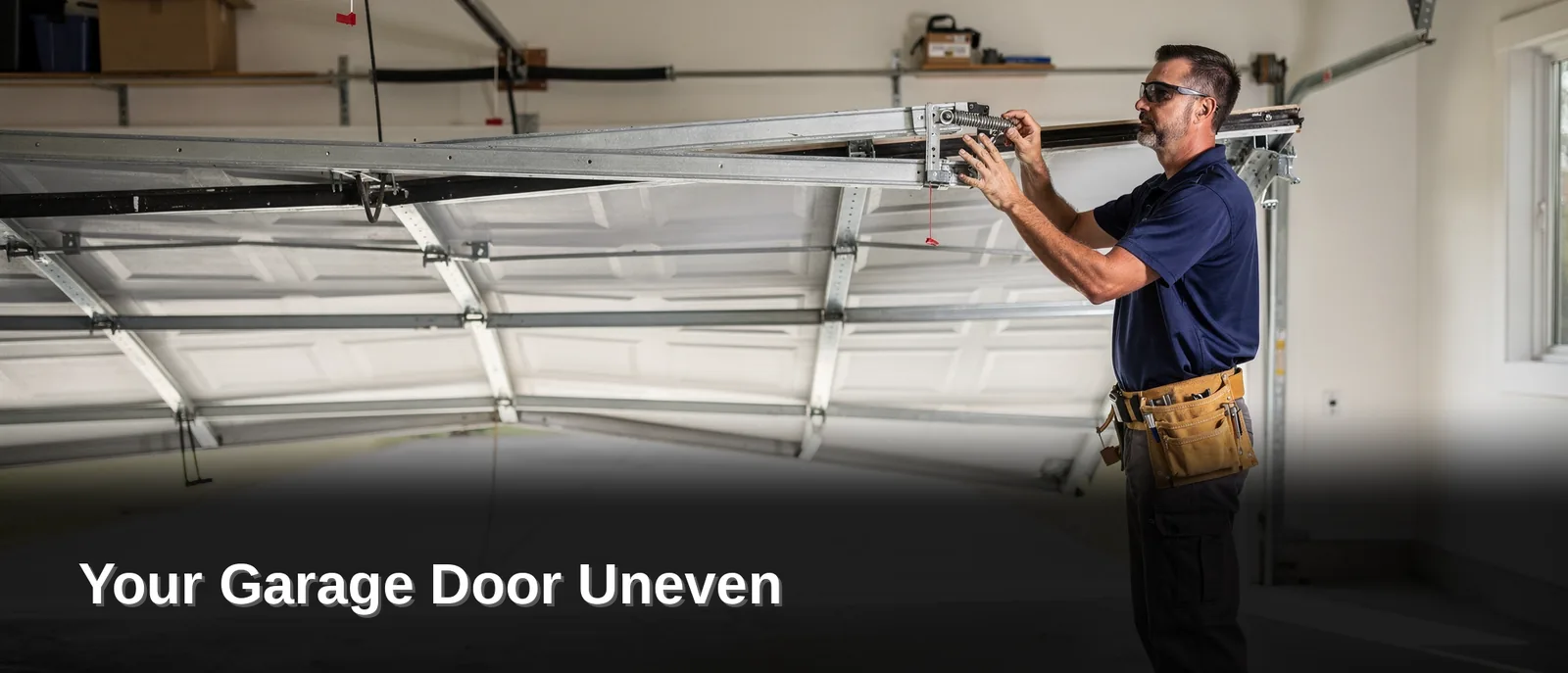
Temperature fluctuations in Mission Viejo can have a profound effect on garage door springs and other components. Cold temperatures may cause metals to contract, leading to increased tension in springs, which can eventually result in spring failure. Conversely, extreme heat can cause expansion, potentially leading to misalignment and operational issues. Homeowners are advised to regularly inspect spring tensions and consider adjustments, especially during seasonal shifts. Implementing a consistent maintenance schedule can help identify potential spring issues before they lead to complete failure. If you suspect an issue with your springs, consulting broken springs services is crucial.
How Can You Prevent and Repair Weather Damage on Garage Doors?
Proactive measures are crucial in preventing weather-related damage to garage doors. Understanding specific weatherproofing techniques and the right timing for repairs can preserve functionality and aesthetics.
Which Garage Door Weatherproofing Techniques Stop Moisture Intrusion?
Effective weatherproofing techniques for garage doors include the installation of weather seals and the application of rust-resistant paint. Weather seals can prevent moisture from seeping into the components, thereby reducing the risk of rust and dysfunction. Additionally, utilizing silicone sprays or special primers can protect metal surfaces from harsh weather conditions. Regularly checking for damage to seals ensures long-lasting protection against moisture intrusion.
When Should You Schedule Garage Door Spring and Component Repairs in Mission Viejo?
Identifying the right time for garage door repairs is crucial, particularly in relation to weather conditions. Homeowners should schedule inspections before significant seasonal changes—typically in late summer or early fall. Signs that indicate it may be time for repairs include unusual noises during operation, sagging doors, or visible wear on springs and cables. Regular maintenance, ideally every six months, will help detect early warning signs and avoid costly repairs later. Addressing common rollers and cables issues proactively can prevent more significant problems.
What Are the Benefits of Garage Door Insulation and Rust Prevention?
Integrating insulation and implementing rust prevention measures in garage door maintenance not only enhances performance but also adds long-term value to properties.
How Does Insulation Improve Garage Door Durability and Energy Efficiency?
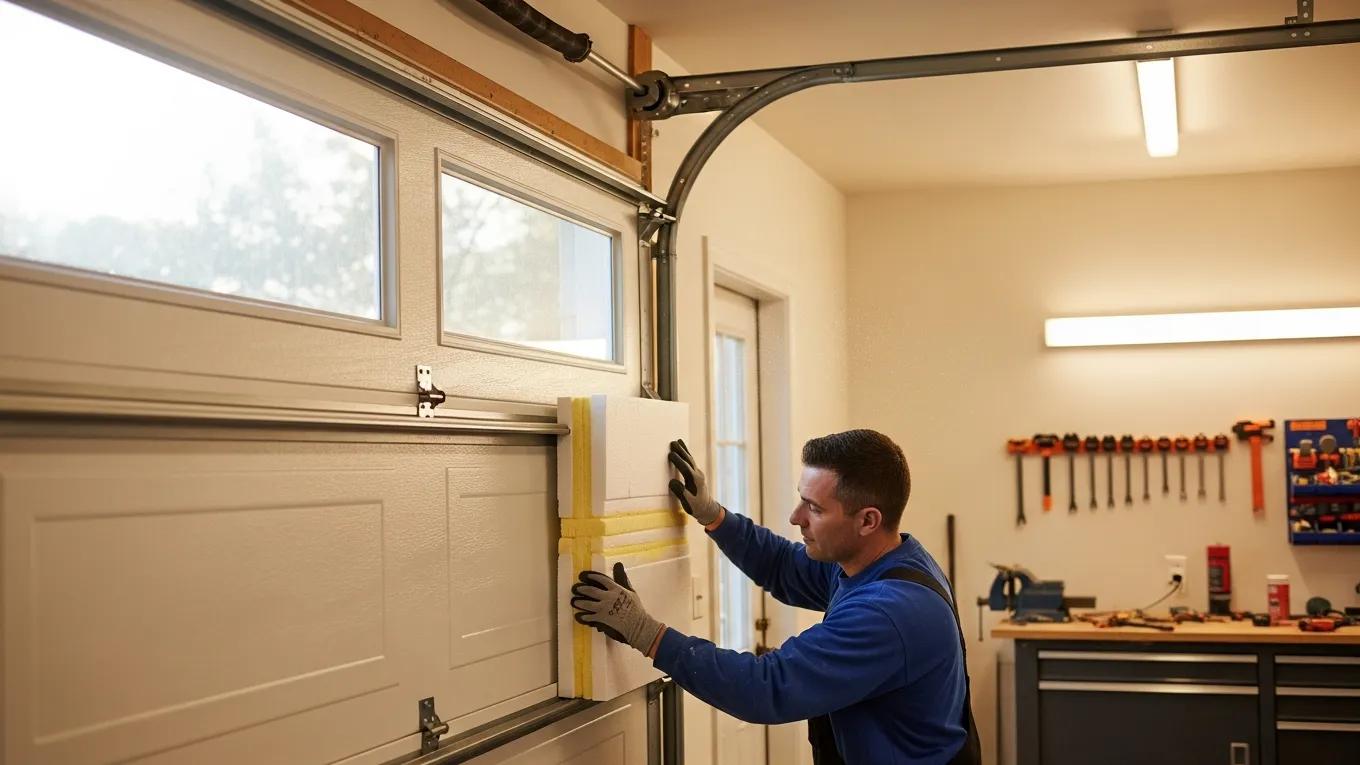
Insulation plays a vital role in enhancing the durability of garage doors by maintaining temperature consistency and reducing energy costs. Insulated garage doors can help stabilize internal temperatures, reducing the load on heating and cooling systems throughout the home. Moreover, insulation assists in noise reduction and preventing external weather from affecting internal conditions. This can be particularly beneficial for those using garage spaces as workshops or recreational areas.
What Are Effective Garage Door Rust Prevention Measures for Coastal Climates?
For properties near the coast, implementing rust prevention strategies is particularly important due to higher salt levels in the air which can exacerbate corrosion. Homeowners should consider using galvanized steel doors or applying protective coatings specifically designed for coastal environments. Regular maintenance, such as cleaning and applying rust-inhibiting products, can mitigate potential damage caused by salty air and moisture, ensuring that doors remain functional and visually appealing. For all your garage door needs, Precision Door Mission Viejo offers comprehensive solutions.
Research highlights the impact of coastal conditions on building components, reinforcing the need for preventative measures.
Identifying and Preventing Coastal Building Defects
Saltwater and rainwater, strong waves, and driving rain (monsoon season) were among the most frequent cause of defects in coastal residential buildings. Corrosion, rot on structures, and cracks as a result of erosion are examples of architectural problems. As a result, while performing regular inspection and maintenance on each structure, selecting the appropriate materials can significantly minimise or reduce damages and could improve the building condition in the future. Contributing factors and main agents affecting building defects in the coastal environmental of Malaysia: a qualitative study, 2022
How Do Cold Weather and Winter Conditions Affect Garage Door Openers and Springs?
Cold weather presents unique challenges that affect the operation of garage door openers and springs. In areas like Mission Viejo where temperatures may dip at night, these components may experience delays, malfunctions, or heightened risks of failure.
What Causes Garage Door Opener Freezing Issues in Low Temperatures?
During low temperatures, the lubricants in garage door openers can thicken or freeze, impeding their functionality. This often results in the motor working harder than necessary or failing altogether. Homeowners should use high-quality, cold-resistant lubricants to ensure smooth operation, even in cold conditions. Regular maintenance checks during winter months are essential for preventing these issues.
How to Diagnose and Fix Winter-Related Garage Door Spring Failures?
Diagnosing spring failures in winter typically involves looking for indicators such as a garage door that won’t open or close fully. These signs often point to weakened springs that may break under stress. Homeowners should carefully inspect all components during cold weather and seek professional assistance if significant problems are suspected. Fixing these issues early can prevent more extensive damage and ensure the door continues to operate safely and effectively.