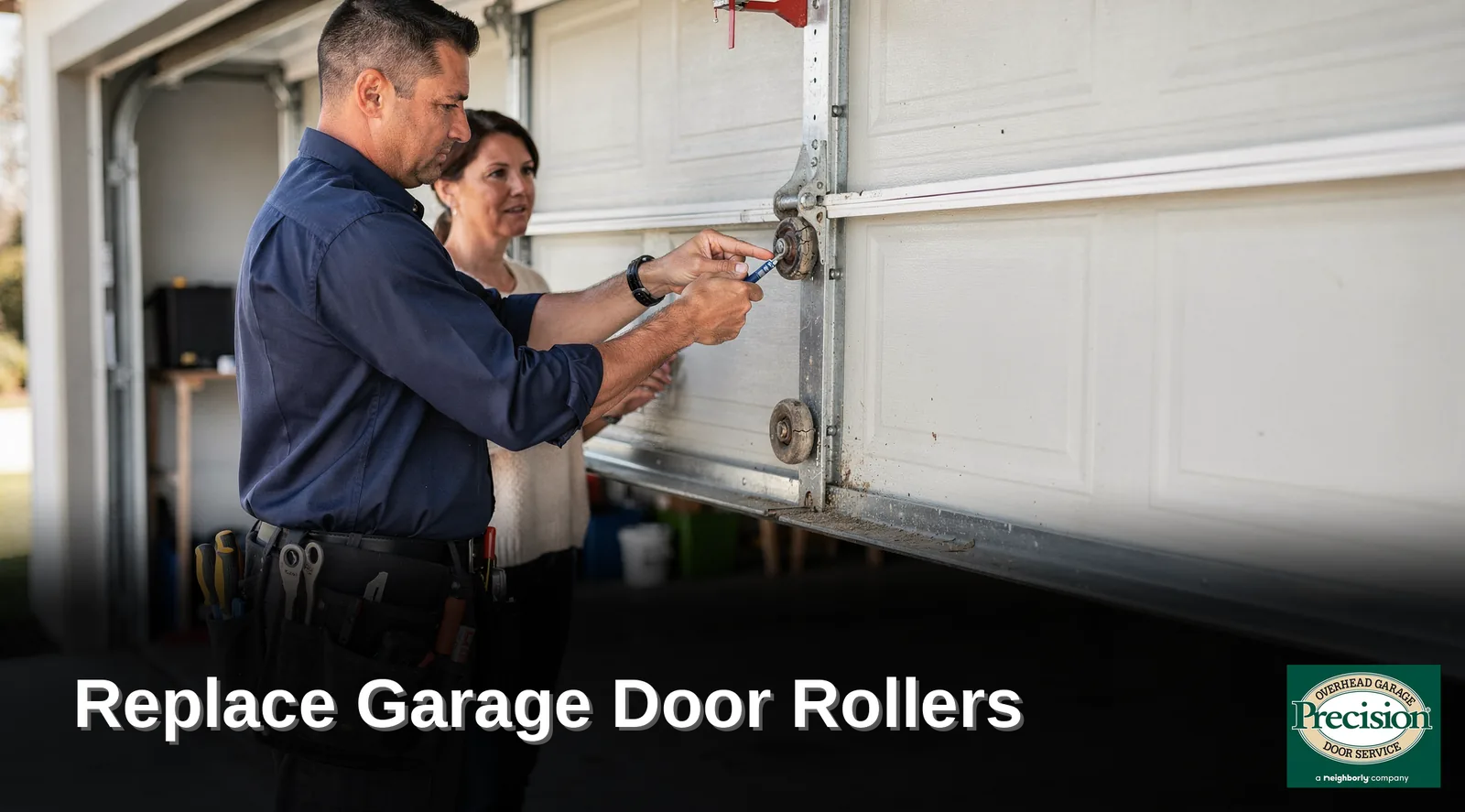
When to Replace Garage Door Rollers: Garage Door Repair and Installation
Rollers and cables typically need replacement based on usage and condition; contact Precision Garage Door Service for an assessment. Precision Garage Door Service, serving Mission Viejo, CA, recommends prompt inspection at the first sign of bending, loosening, or fraying.
Key Takeaways
-
Garage door rollers wear gradually with each operation and require periodic replacement to maintain smooth function.
-
Rollers connect the door to tracks, enabling swift opening and closing through rod-and-wheel systems.
-
Replace rollers when you notice grinding noises, jerky movements, or visible damage to the wheel components.
-
Precision Garage Door Service provides professional roller and cable replacement services in Mission Viejo, CA.
When to replace garage door rollers?
Garage door rollers need to be replaced when they show visible damage or cause operational problems. Worn rollers create slow, jerky door movement that strains the opener system and shortens its lifespan. Ignoring these warning signs leads to bigger repair bills and potential safety hazards.
What are the signs garage door rollers are worn?
The most obvious signs garage door rollers are worn include unusual noise during operation, jerky movement, and visible damage. A homeowner might notice the door shaking or stuttering as it moves along the tracks. Cracked, chipped, or flattened rollers indicate immediate replacement is necessary. A broken roller can jam the door entirely, preventing it from closing and blocking vehicle access to the garage.
How long does a garage door roller last?
The lifespan of a garage door roller depends on the roller material and usage frequency. Standard steel rollers typically last 10,000 to 15,000 cycles. Nylon rollers with sealed bearings can last 15,000 to 20,000 cycles. A cycle equals one open-and-close operation. For an average household using the door 3-4 times daily, steel rollers last approximately 7-10 years. High-traffic households or commercial applications require more frequent replacement.
When should a homeowner call a technician?
Homeowners should call a technician when they observe any of these conditions:
-
The door operates slowly or moves in a jerky manner
-
Visible cracks, chips, or apartment spots appear on the rollers
-
The door makes grinding or scraping sounds during operation
-
The door fails to close completely or reverses unexpectedly
The door operates slowly or moves in a jerky manner
Visible cracks, chips, or apartment spots appear on the rollers
The door makes grinding or scraping sounds during operation
The door fails to close completely or reverses unexpectedly
Signs Your Garage Door Springs Need Replacement often accompany roller replacement, as cables fray and weaken over time. A garage door cable frayed at the connection points signals the need for immediate professional attention. Attempting DIY garage door roller replacement without proper tools and safety knowledge poses a risk of serious injury from the high-tension springs. Professional assessment ensures the entire system operates safely and efficiently.
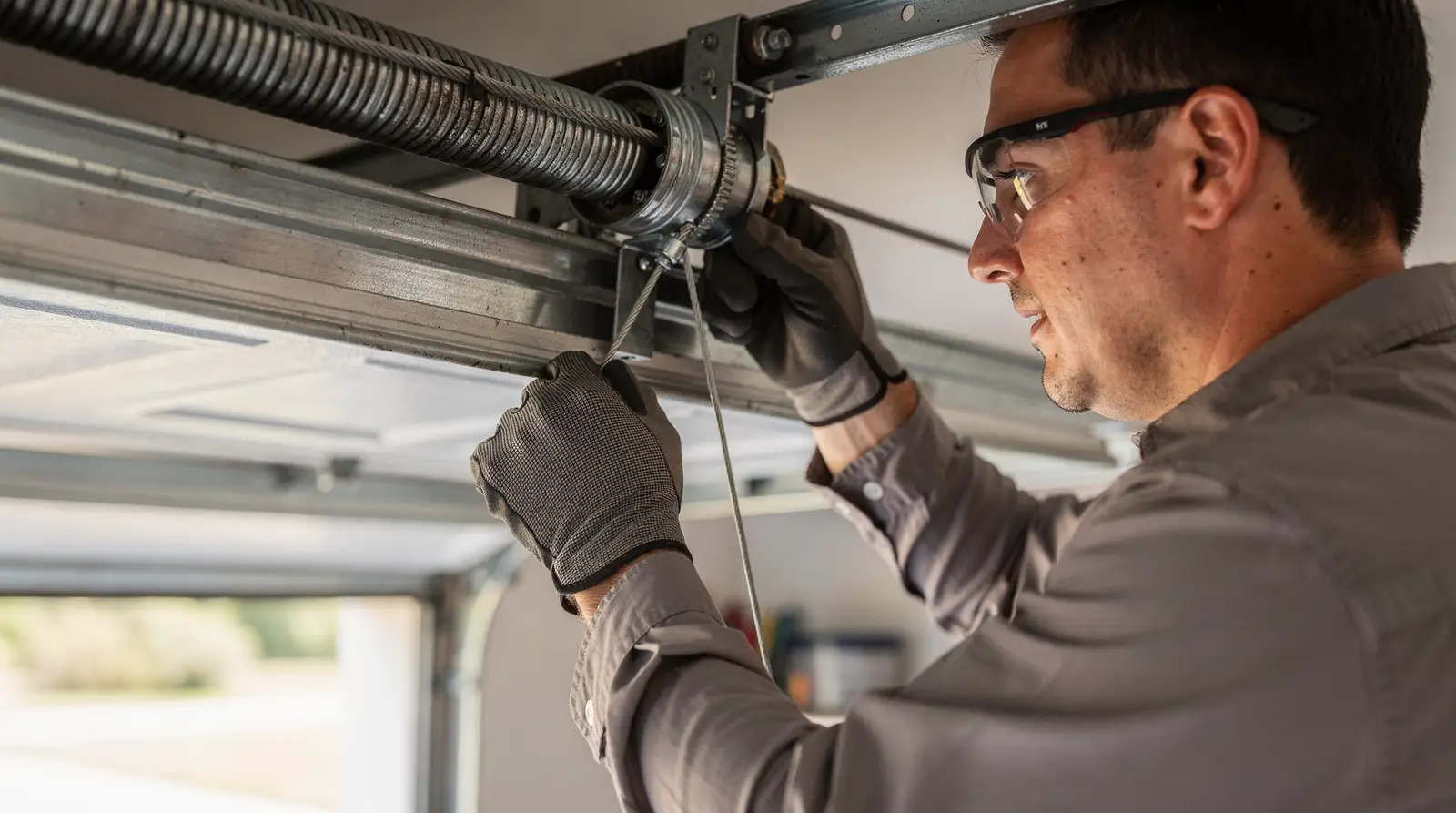
What about garage door cable replacement?
Garage door cable replacement addresses a critical safety component that works alongside springs and rollers to elevate the door. Fraying or visible damage signals a garage door cable in need of immediate attention. Cables endure extreme tension during every open-and-close cycle and can snap without warning, creating a dangerous situation for anyone nearby.
How do cables fail, and what should homeowners watch for?
Cables show warning signs before complete failure. Frayed strands along the cable length, uneven winding on the drum, or a door that hangs crooked during operation all indicate problems. A frayed garage door cable has lost structural integrity. Ignoring this issue risks a sudden snap that damages the door, the opener, or nearby property.
Why does professional replacement matter for safety?
Cables operate under hundreds of pounds of tension. Attempting DIY garage door roller replacement without understanding cable tension poses a serious risk of injury. A professional tune-up catches cable wear early, improving safety and preventing costly repairs down the road. Technicians inspect the entire cable system, including drums and attachment points.
-
Inspect cables monthly for fraying, rust, or loose strands
-
Never attempt cable adjustment without proper training and tools
-
Schedule professional inspection annually to catch wear before failure
Replacing cables without releasing spring tension correctly can cause the door to drop suddenly. Professional service ensures the system remains balanced and safe for daily use.
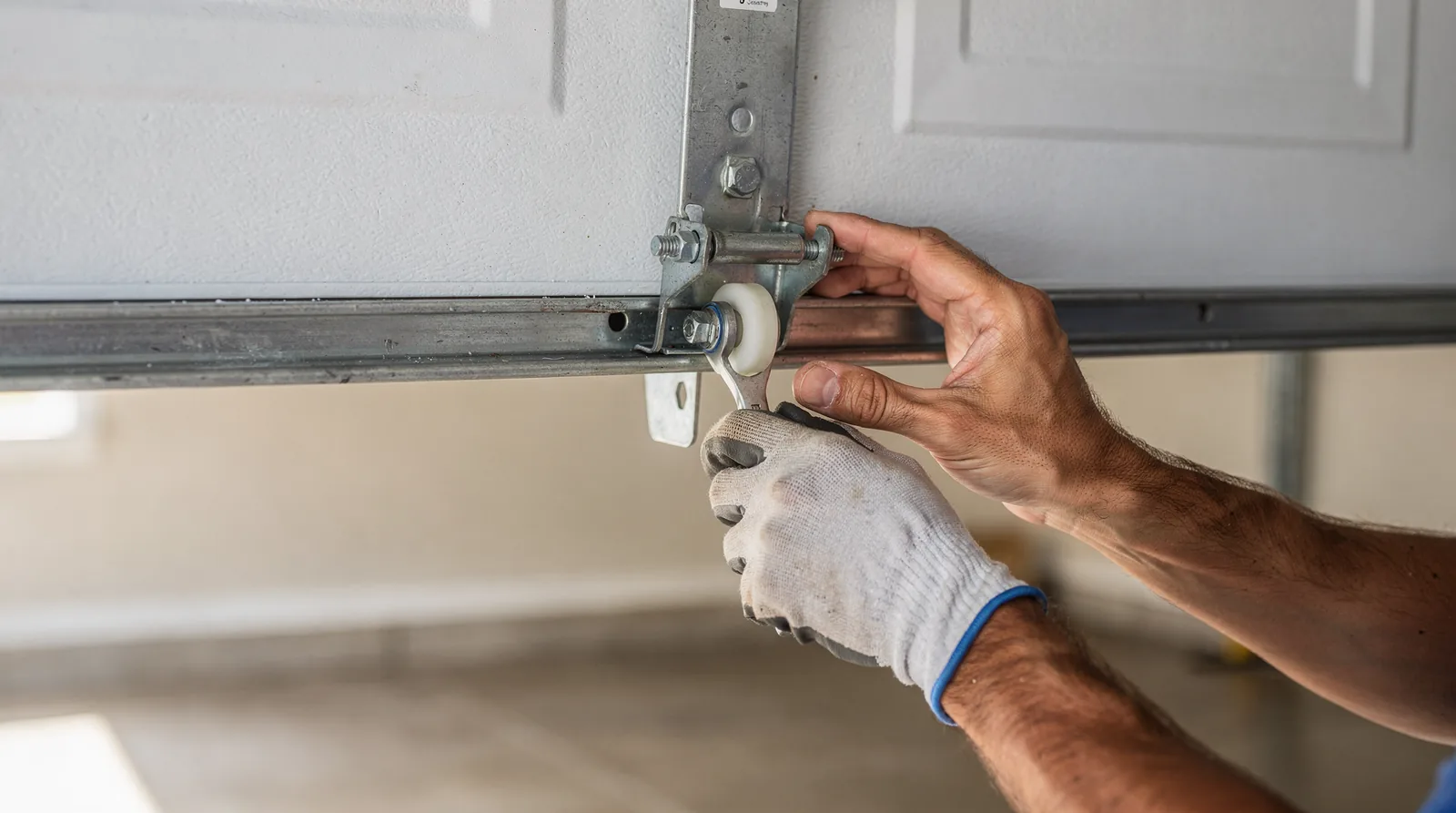
Can I do a DIY garage door roller replacement?
A garage door is one of the largest moving parts in a home. Replacing its rollers without professional help carries real risk. The springs that counterbalance the door remain under extreme tension even when the door is closed. Releasing that tension accidentally during a DIY garage door roller replacement can cause serious injury or property damage.
What makes DIY replacement dangerous?
The torsion springs store enough force to lift a 300-pound door. A single slip during roller removal can send the door crashing down or launch a spring across the garage. Signs garage door rollers are worn — jerky movement, scraping noises, or visible apartment spots. Often appear alongside other issues like a garage door cable frayed from friction against misaligned tracks. Addressing only the rollers without inspecting the cables and springs leaves hidden hazards in place.
FAQ
When to replace garage door rollers?
Replace rollers when they show visible damage or cause operational problems. Worn rollers create slow, jerky movement that strains the opener and leads to bigger repair bills and safety hazards.
Signs include unusual noise, jerky movement, and shaking or stuttering as the door moves along the tracks. Cracked, chipped, or flattened rollers indicate immediate replacement, since a broken roller can jam the door and block vehicle access.
When should a homeowner call a technician?
Call a technician when the door operates slowly or jerkily, rollers show cracks or apartment spots, the door makes grinding sounds, or it fails to close or reverses unexpectedly. Precision Garage Door Service handles roller and cable replacement in Mission Viejo, CA.