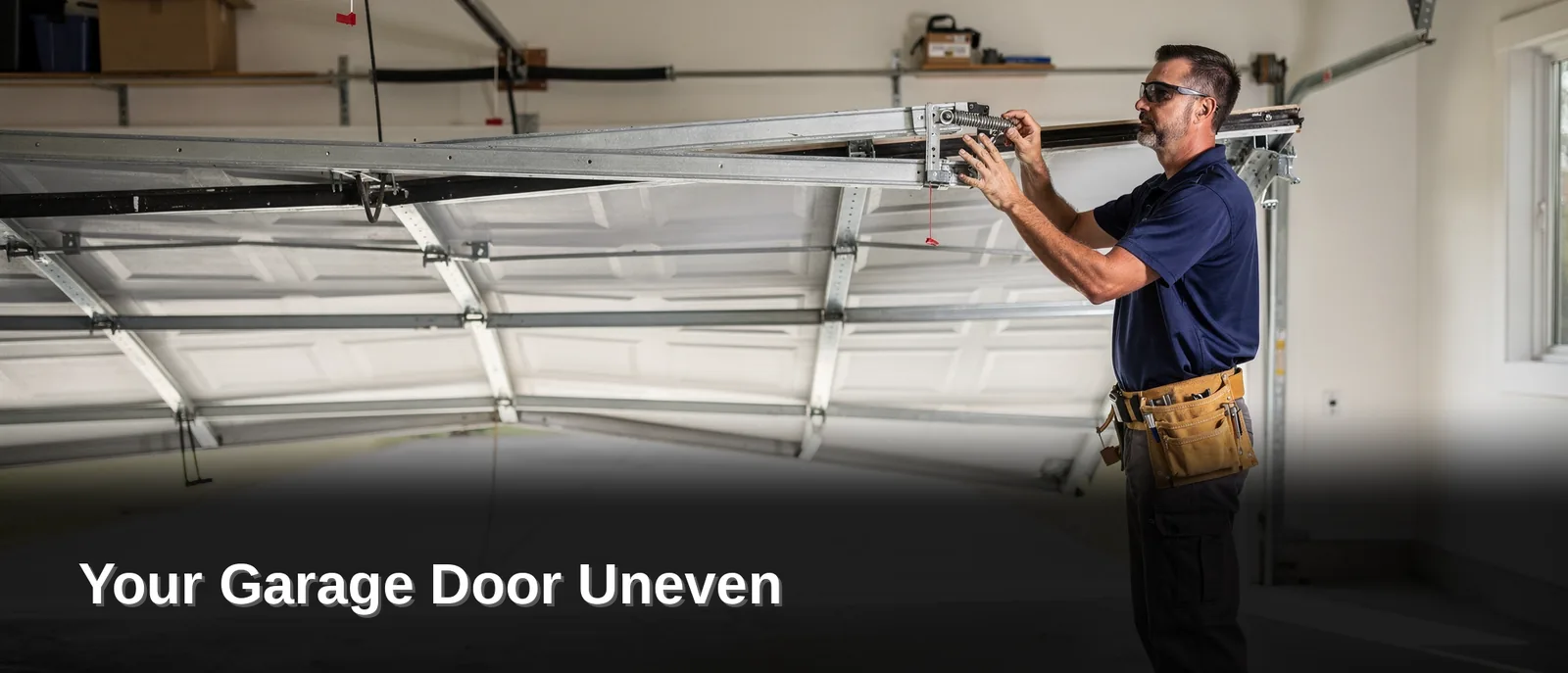
A garage door that reverses midway can confuse and frustrate homeowners. The door begins to close normally, but suddenly changes direction. This behaviour usually signals a safety or mechanical problem. Ignoring it can worsen damage. A Garage Door Reversing issue should always be addressed promptly.
Garage doors are designed to stop and reverse when resistance is detected. This protects people, pets, and property from injury. However, repeated reversing indicates something is wrong. Minor issues often trigger this response. Understanding the cause helps prevent further complications.
This guide explains why garage doors reverse midway. You will learn the common causes behind the problem. You will understand safe troubleshooting steps. You will also know when professional service is required to fix a Garage Door Reversing issue safely.
Causes of Midway Reversing
When a garage door reverses midway, the system senses resistance. This issue, known as Garage Door Reversing, occurs when the opener detects an obstruction or imbalance. The opener reacts by stopping movement immediately to prevent damage or injury. This safety feature protects both property and people. However, frequent Garage Door Reversing indicates the system is detecting an underlying problem that requires attention.
Resistance may come from mechanical issues. Track obstructions create friction. Door imbalance strains the opener. Worn components disrupt smooth travel. These factors commonly trigger a Garage Door Reversing response.
Electrical settings can also cause reversing. Sensitivity settings may be too high. Sensors may be misaligned. These conditions cause false detection. A correct diagnosis is necessary to restore normal operation. Persistent reversing often requires garage door repairs to prevent further system damage.
Why Midway Reversing Is a Safety Concern
Midway reversing affects garage door safety significantly. Doors may fail to close completely. Gaps create security risks. Inconsistent operation reduces reliability. Safety features should protect, not disrupt normal use. Repeated reversing increases wear on components. The opener motor works harder than intended. Safety risks increase when issues are ignored. Sudden door movement can surprise users. Property may be damaged. Addressing a Garage Door Reversing issue protects safety and prevents emergencies.
Sensor Alignment and Obstruction Issues
Safety sensors monitor the door opening constantly. If sensors are misaligned, the door may reverse unexpectedly. Dirt or debris blocks sensor lenses. Sunlight glare can interfere with detection Accuracy. These issues frequently cause Garage Door Reversing. Sensor problems are often simple to identify. Cleaning lenses improves performance. However, repeated sensor failure suggests deeper electrical issues. If sensor adjustments do not help, professional inspection is recommended.
Garage Door Balance and Spring Problems
Door balance plays a critical role in smooth operation. Unbalanced doors place stress on the opener. Weak or damaged springs affect weight distribution. The system senses resistance and reverses midway. Uneven lifting strains cables and tracks. Sudden spring failure creates safety hazards. A Garage Door Reversing issue often points to a spring imbalance. Problems involving broken springs should always be handled by trained technicians.
Track Resistance or Obstruction Problems
Garage door tracks guide door movement. Debris buildup increases friction. Bent or damaged tracks restrict travel. Resistance triggers safety reversal. Track issues commonly cause the Garage Door Reversing problems. Obstructions may be small but impactful. Dirt, leaves, or hardware interfere with rollers. Friction builds gradually. Regular inspection prevents these issues. Severe misalignment may involve off-track doors and requires professional correction.
Opener Force and Sensitivity Settings
Garage door openers include force and sensitivity settings. These control how much resistance triggers reversal. Incorrect settings cause premature reversing. Minor resistance is mistaken for obstruction. Weather changes affect door movement. Settings may need adjustment seasonally. Improper tuning leads to inconsistent operation. This contributes to Garage Door Reversing. Issues with garage door openers often require professional calibration.
Worn Rollers, Cables, or Hardware
Rollers and cables support smooth door travel. Worn rollers increase friction. Frayed cables affect balance. Loose hardware rattles during movement. These problems trigger a reversal. Component wear develops gradually. Noise often appears first. Resistance increases over time. A Garage Door Reversing issue may signal hardware deterioration. Problems involving rollers and cables should be addressed promptly to prevent failure.
After reviewing these five causes, clear patterns emerge across most systems. Most Garage Door Reversing issues begin small and worsen gradually with continued use. Resistance triggers safety systems repeatedly and disrupts normal operation. Ignoring early warning signs increases wear and damage risk over time. A Garage Door Reversing problem is much easier and safer to fix when addressed early.
Safe Troubleshooting Steps Homeowners Can Try
Homeowners can perform basic visual inspections safely without special tools. Check sensor alignment carefully to ensure proper detection. Remove debris from tracks that may cause resistance during movement. Clean sensor lenses gently to restore accuracy. Avoid forcing the door manually, as this can worsen a Garage Door Reversing issue and create safety risks.
Testing door balance adds awareness of potential mechanical problems. Disconnect the opener briefly to allow manual movement. The door should remain halfway open without drifting. Falling doors indicate spring issues and uneven tension. Rising doors suggest excess tension that can contribute to reversing problems during operation.
Basic checks help identify problems early before serious damage occurs. Visual inspections reveal obstructions, misalignment, or worn components. These simple steps support safer troubleshooting. However, avoid adjusting springs or cables alone, as they are under high tension. Improper handling can cause injury and worsen garage door problems.
When to Call a Garage Door Professional
Professional service is required when the reversing continues despite basic troubleshooting. Structuralissues need expert tools and precise adjustments. Spring repairs require specialized handling due tohigh tension and safety risks. Incorrect DIY repairs increase the risk of injury and further damage. Trained technicians ensure proper correction and restore safe, reliable operation.
Technicians diagnose underlying problems accurately. Proper adjustments restore smooth operation. Safety features are tested thoroughly. Professional care resolves Garage Door Reversing issues effectively.
Issues requiring installation or upgrades often go beyond basic repairs. Ageing systems may no longer support safe or reliable operation. Hardware incompatibility can affect door balance and opener performance. In these cases, professional garage door installation ensures proper setup and long-term reliability. System improvements help prevent recurring reversing problems and restore smooth operation.
Reliable Garage Door Repair
A garage door that reverses midway should not be ignored. Delayed repairs increase safety risks. Professional service restores reliable operation. Experts ensure correct adjustments and health.
Technicians inspect all mechanical and electrical parts. Hidden issues are identified early. Accurate repairs prevent future failures.
Hidden issues may be costing you reliability and safety right now. Book expert service with Precision Mission Viejo and uncover the fixes that restore smooth operation and long-term performance.